
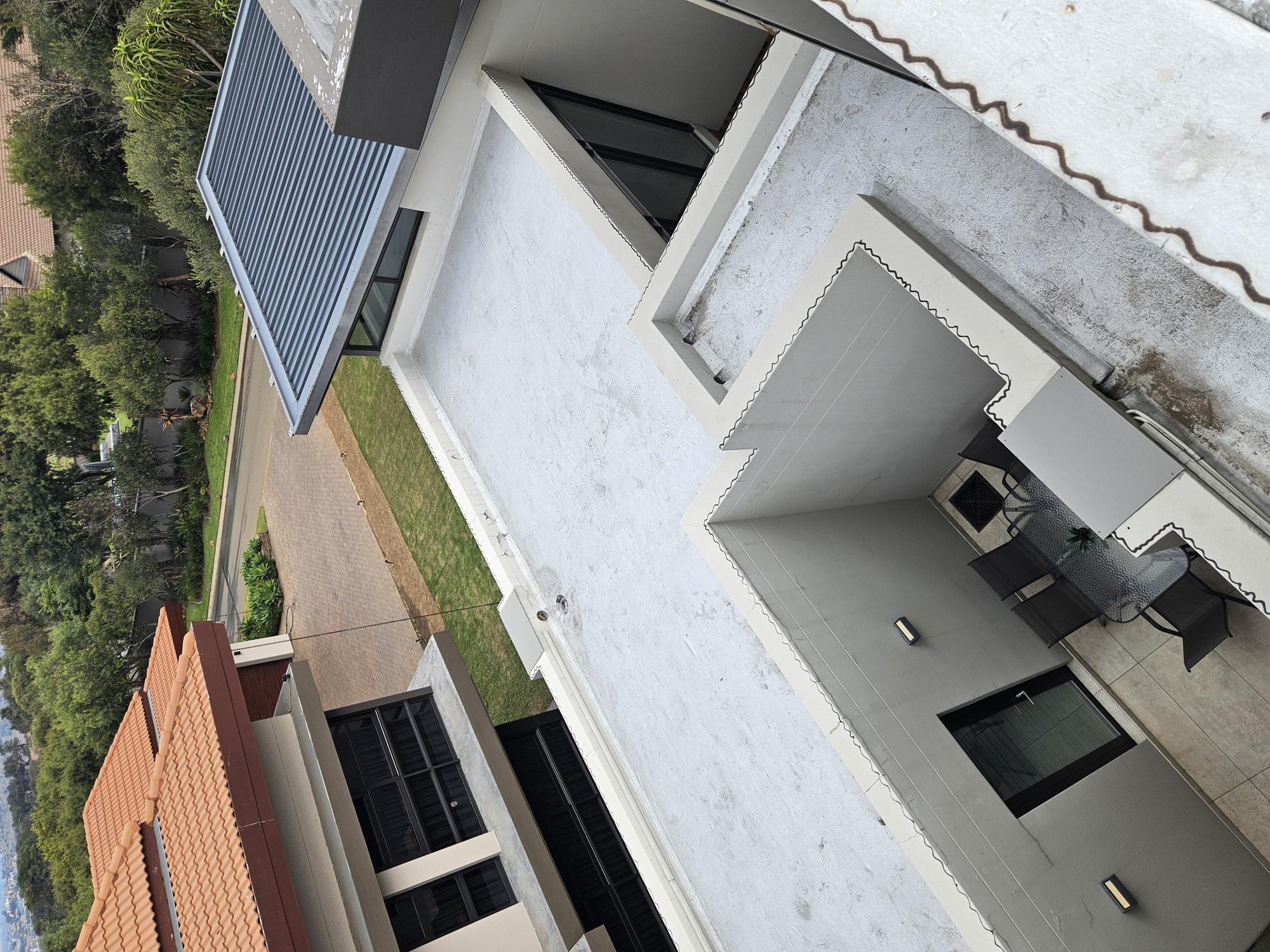
For meaningful repairs, maintenance and improvements, record the date, area or system, scope of work, contractor, cost, invoice, useful photographs, product or material details, guarantee or warranty information, and any recommended follow-up. Keep it in one place so the next decision does not depend on memory.
Property maintenance has a way of becoming fragmented. A roof repair sits in one email thread, the paint colour is saved on someone's phone, the plumber's invoice is in a drawer, and nobody can remember whether the waterproofing guarantee required periodic maintenance.
That is manageable when there is only one small job. Over several years, however, a property can accumulate dozens of repairs, upgrades, contractors, products and promises. When the same problem appears again, the first question is often not “How do we fix it?” but “What was done here last time?”
A good set of property maintenance records answers that question quickly. It gives the owner, future contractor or maintenance coordinator enough context to make the next decision with less guesswork.
Why property maintenance records matter
The goal is not paperwork for the sake of paperwork. A maintenance history is useful when it helps you understand the property.
1. You can see what was actually done
“The roof was waterproofed a few years ago” is not particularly useful. Which area was repaired? Was an existing membrane patched or replaced? Which product was used? Were parapets included? Were photographs taken before the work was covered?
A short scope, an invoice and a few photographs can turn a vague memory into usable information.
2. Repeat problems become easier to identify
If a damp mark returns in the same location every rainy season, a record of previous repairs can help reveal whether the underlying source was addressed or whether only the visible symptom was treated. The same principle applies to recurring plumbing leaks, electrical faults, cracking, gate failures and coating problems.
3. Guarantees and warranties are easier to use
A guarantee is far more useful when you can find the original scope, completion date, contractor details and the conditions attached to it. Some systems also depend on maintenance being performed at particular intervals. Keep the guarantee documentation with the job record rather than as a separate piece of paper that may be lost.
This article deliberately does not go deeply into guarantee terms, that is a separate topic in the MCG Knowledge Centre, because the record-keeping question is different: can you produce the documentation when you need it?
4. The next contractor starts with better information
Contractors often arrive at a property with no history. A clear record can show them previous work, products, problem areas and photographs of concealed details. That does not replace a proper assessment, but it can make the assessment more informed.
5. A property handover becomes easier
Whether responsibility is moving to a spouse, family member, tenant, caretaker, managing agent or future owner, a maintenance history gives the next person a far clearer starting point than a collection of unidentified documents.
What should you keep in a property maintenance file?
You do not need to document every minor task. Focus on work that costs money, changes the property, involves a specialist, carries a guarantee, may need future maintenance, or could be useful to understand later.
A simple maintenance-record system that is realistic to maintain
The best system is the one that still exists five years from now. It does not need specialist software to begin. A well-organised cloud folder can work perfectly well.
Start with one folder for the property and then divide it by major area or system. For example:
- Roof, waterproofing and gutters
- Exterior walls and coatings
- Interior finishes
- Plumbing and geysers
- Electrical and lighting
- Security, gates and access
- Pool, irrigation and landscaping
- Building work and alterations
- Appliances or fixed equipment worth tracking
Inside each folder, keep the job information together rather than separating all quotations into one folder and all invoices into another. When you return to a specific roof repair three years later, you want the quote, invoice, photographs and guarantee beside one another.
A useful maintenance entry can be very short
| Field | Example |
|---|---|
| Date | 18 September 2026 |
| Area | Garage roof / eastern parapet |
| Problem | Water ingress after heavy rain |
| Work completed | Failed joint repaired and affected waterproofing reinstated |
| Contractor | Company / technician details |
| Documents | Quote, invoice, before/after photos, guarantee |
| Next action | Inspect during annual roof-maintenance review |
That single entry tells a future contractor far more than “roof fixed in 2026”.
Photographs are one of the most useful records you can keep
Photographs are particularly valuable when work will later be hidden. Before a ceiling is closed, paving is reinstated, a waterproofing layer is covered or a wall is replastered, take photographs of what is underneath.
Useful photographs include:
- the original defect or damage;
- the area after opening or preparation;
- important details during the repair;
- the finished work; and
- product labels or batch information where relevant.
A photo without context can become difficult to interpret later, so name the folder or file with the date and location of the work.
From maintenance records to a property history
Once records are kept consistently, they become more than proof of individual jobs. They start to form a history of the property: where recurring issues occur, what has been upgraded, which systems need periodic attention and what work may be approaching.
This is one of the ideas behind MCG Home Care. For owners who want a more proactive relationship, the long-term aim is not simply to respond when something breaks. It is to keep useful property information together and use it to make maintenance easier to plan and coordinate.
Don't make your property depend on memory.
After meaningful work, capture enough information that somebody who was not there can understand what happened.
Where should you start?
Do not try to reconstruct ten years of property history before you begin. Start with the next meaningful job.
- Create one folder for the property.
- Save the quotation or approved scope.
- Take a few useful photographs.
- Save the invoice and guarantee information when the work is complete.
- Add one line noting what needs checking or servicing next.
Then repeat the process. Within a year or two, you will have something surprisingly valuable: a record that actually helps you understand and maintain the property.
You have the problem. MCG coordinates getting it sorted.
Repairs, maintenance and property projects through one trusted point of contact.